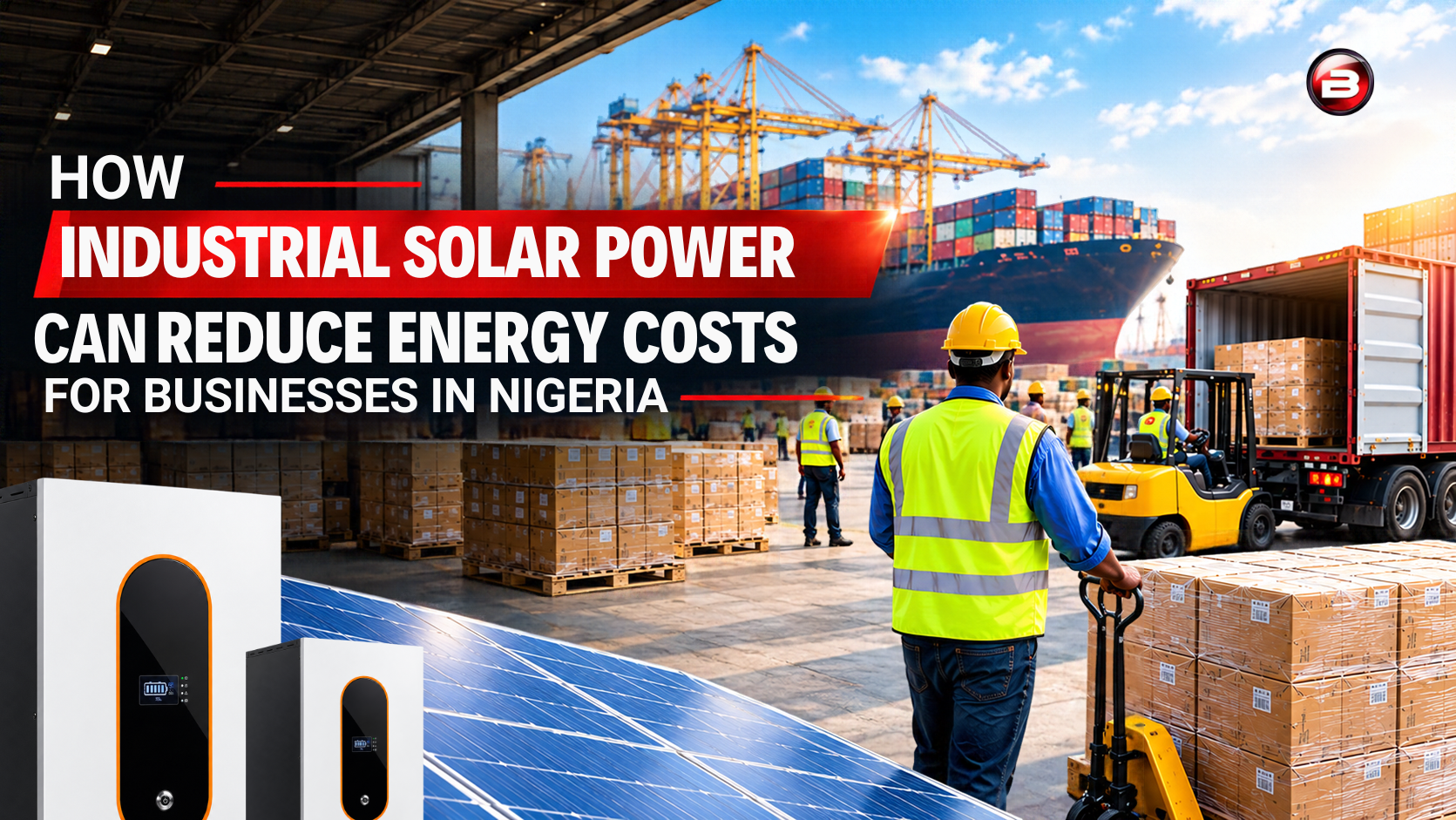
HOW INDUSTRIAL SOLAR POWER CAN REDUCE ENERGY COSTS FOR BUSINES HOW INDUSTRIAL SOLAR POWER CAN REDUCE ENERGY COSTS FOR BUSINESSES IN NIGERIA
HOW INDUSTRIAL SOLAR POWER CAN REDUCE ENERGY COSTS FOR BUSINES HOW INDUSTRIAL SOLAR POWER CAN REDUCE ENERGY COSTS FOR BUSINESSES IN NIGERIA
For Nigerian businesses, energy is more than a utility expense. It directly affects production, operating budgets, business continuity, and profitability. Factories, warehouses, hospitals, and commercial facilities often depend on a combination of grid electricity and diesel generators to keep operations running.
However, relying heavily on diesel generation can make energy expenditure difficult to manage. Industrial solar power offers businesses an opportunity to generate electricity on-site, reduce dependence on conventional power sources, and improve long-term energy planning.
At BASSCOMM, we understand that businesses need more than electricity. They need dependable, cost effective energy solutions that support productivity and sustainable growth.
What Is Industrial Solar Power?
Industrial solar power is the use of solar photovoltaic (PV) technology to generate electricity for factories, manufacturing plants, warehouses, hospitals, and other energy intensive facilities.
Unlike residential solar installations, industrial solar systems are designed around higher electrical loads, specialised machinery, production schedules, and business specific power requirements.
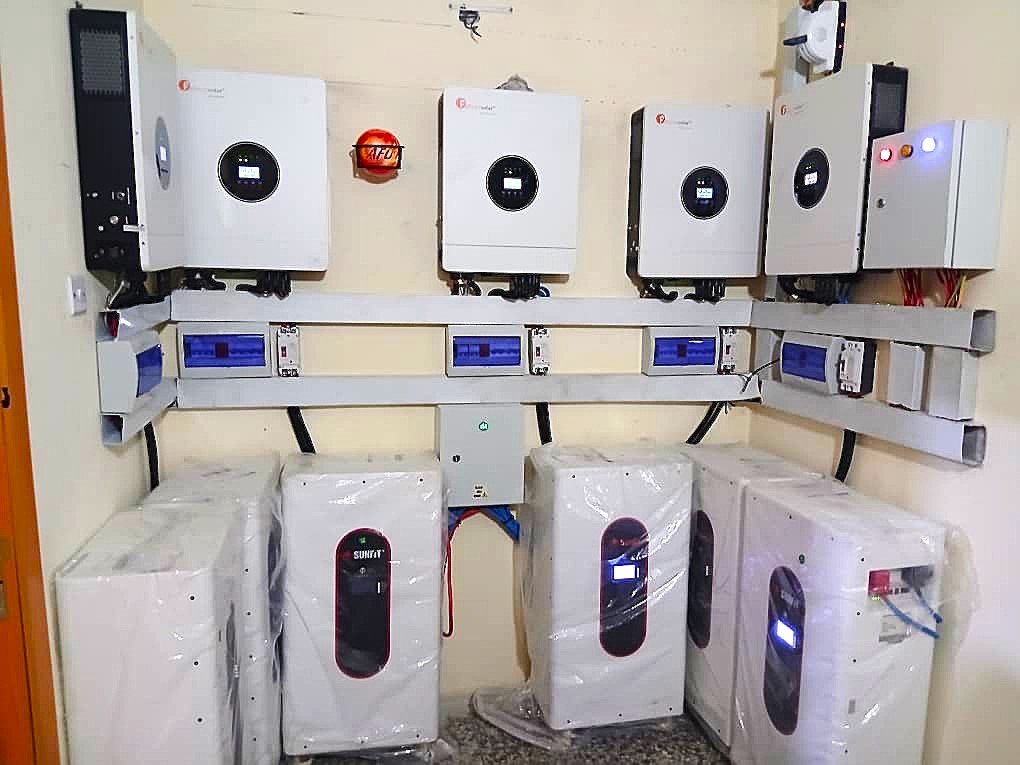
Depending on the facility's needs, a system may combine solar panels, inverters, battery energy storage, grid electricity, and generator backup. Proper system design helps businesses use available solar energy efficiently while maintaining suitable backup arrangements.
Why Nigerian Businesses Should Consider Industrial Solar
1. Reduce Electricity and Diesel Expenses
One of the key benefits of industrial solar power is its potential to reduce spending on grid electricity and diesel generated power. During periods of sufficient sunlight, a properly designed solar installation can supply part of a facility's electricity demand. This reduces the amount of power that must be purchased from the grid or generated using diesel. For businesses with significant daytime energy consumption, these savings can improve operating efficiency and free up funds for other business priorities.
2. Improve Power Reliability
Unexpected power interruptions can disrupt manufacturing processes, affect equipment operation, and delay deliveries. A well engineered solar hybrid system can work alongside grid electricity, battery storage, and generator backup to support more reliable operations. The appropriate configuration depends on the facility's load profile, critical equipment, and required backup duration.
3. Support Consistent Business Operations
Production downtime can create costs beyond the electricity bill. These may include delayed orders, idle workers, interrupted processes, and potential product losses. Industrial solar, combined with suitable storage and backup systems, can help reduce exposure to power interruptions. This is particularly valuable for facilities that rely on refrigeration, automated equipment, continuous processing, or other critical electrical loads.
4. Improve Long Term Energy Planning
Dependence on fuel-powered generators exposes businesses to changes in diesel prices, maintenance expenses, and fuel availability. Solar power allows businesses to generate a portion of their electricity from sunlight, making energy planning less dependent on fuel consumption alone. Although solar installations require an initial investment or a suitable financing arrangement, evaluating their lifetime operating costs can help businesses make more informed energy decisions.
5. Advance Sustainability Goals
Industrial solar reduces reliance on fossil-fuel-based electricity generation and can help businesses lower operational emissions. For organisations with environmental targets, sustainability reporting requirements, or responsible energy policies, solar power can form part of a broader strategy to improve energy efficiency and environmental performance.
How Much Can Your Business Save With Industrial Solar?
The savings depend on how much electricity your facility consumes, when it consumes it, the cost of its current power sources, and the size and configuration of the proposed solar system.
A meaningful assessment should consider:
- Monthly electricity bills and applicable tariffs.
- Diesel consumption and generator operating hours.
- Daily and seasonal energy demand.
- Equipment that must remain operational during outages.
- Solar generation potential and available installation space.
- Battery storage requirements and maintenance costs.
- Installation or service-contract costs.
Rather than relying on generic savings promises, businesses should request an energy assessment and financial analysis based on their actual consumption data. This approach helps determine the appropriate system capacity, potential energy savings, estimated payback period, and long-term operating implications.
Is Industrial Solar Suitable for Your Facility?
Industrial solar can be considered by a wide range of organisations, including:
- Manufacturing and processing plants.
- Warehouses and logistics facilities.
- Hospitals and healthcare centres.
- Hotels and commercial buildings.
- Cold rooms and food-processing businesses.
- Industrial estates and large office complexes.
The best solution depends on each facility's electricity demand, operating schedule, available space, and reliability requirements. Some facilities may benefit most from rooftop solar, while others may require ground-mounted installations, battery storage, or a hybrid configuration.
Why Proper Engineering Matters
Installing solar panels is only one part of an effective industrial solar project. The system must be designed to work safely and efficiently with the facility's electrical infrastructure.
A professional project should include load assessment, site inspection, system sizing, equipment selection, electrical integration, installation, testing, and ongoing performance monitoring. Correct sizing helps prevent a system from being unsuitable for the facility's actual needs. It also supports better energy utilisation, equipment protection, and long-term project performance.
At BASSCOMM, our approach to industrial solar focuses on understanding business energy requirements and identifying solutions that align with operational and financial objectives.
Industrial Solar: A Smarter Approach to Business Energy
As Nigerian businesses look for ways to control operating expenses and improve power reliability, industrial solar is becoming an important option for long-term energy planning. The opportunity goes beyond installing solar panels. It is about reducing avoidable energy expenditure, supporting business continuity, and making more informed decisions about how electricity is generated and consumed.
The first step is understanding your facility's energy needs and identifying where solar can deliver practical value.
|
READY TO REDUCE YOUR FACTORY'S ENERGY COSTS? BASSCOMM provides engineering-led solar solutions designed around business power requirements. Contact our team to discuss an industrial or commercial solar solution for your facility. Phone: +234 913 845 2783 | Email: Crm@basscommgroup.com Website: www.basscommnigeria.com |